


SWELL welcomes inquiries from potential distributors, regional partners, and businesses seeking ODM cooperation for industrial mobile computing solutions. Suitable cooperation models depend on your target market, industry focus, sales channels, technical service capabilities, and long-term business objectives.
For distribution partnerships, discussions may focus on target industries, product selection, expected purchasing volume, local market coverage, and after-sales service capabilities. For ODM projects, SWELL can work with your team to evaluate product requirements, hardware configurations, software adaptation, branding, and development feasibility.
To start a discussion, please share your company profile, target region, primary customer segments, intended product categories, and proposed cooperation model. SWELL can then assess your requirements and discuss potential next steps, including product support, technical coordination, customization options, and branding arrangements. Any regional authorization, exclusivity, pricing, or minimum purchasing commitments should be confirmed through a separate agreement.

Yes. SWELL can provide compatible accessories and replacement parts according to the device model and project requirements. Depending on the product, these may include batteries, charging docks, multi-slot chargers, hand straps, protective cases, vehicle cradles, screens, scanner modules, interface boards, and mainboards.
For distributors and customers managing large device fleets, planning spare parts in advance can help reduce downtime and simplify local maintenance. The appropriate spare parts list depends on the device configuration, deployment scale, operating environment, and expected service needs.
SWELL can help customers identify relevant accessories and commonly required replacement components during project planning. Before placing an order, we recommend confirming model compatibility, part availability, lead time, and any requirements for installation or technical support to ensure the selected parts meet your after-sales needs.
SWELL provides warranty and after-sales support according to the product type and project agreement. Depending on the case, support may include technical troubleshooting, remote assistance, RMA guidance, repair recommendations, spare parts coordination, and return-for-repair arrangements.
If a device arrives with an issue, develops a functional fault, or encounters problems during operation, customers can provide the model information, fault description, and relevant photos or diagnostic details to help the technical team assess the situation. The next steps depend on the cause of the issue, warranty coverage, and the applicable service terms.
For long-term projects and bulk deployments, customers can discuss extended warranty options and customized after-sales arrangements with SWELL in advance. Confirming warranty duration, coverage, response procedures, and repair responsibilities before ordering helps establish clear expectations and supports more efficient device maintenance.
SWELL offers different communication configurations across its rugged handheld terminals, tablets, and mobile computing platforms. Depending on the model, options may include Wi-Fi, Bluetooth, 4G, 5G, and GNSS, while certain project configurations may support Push-to-Talk over Cellular (PoC) or specialized communication requirements.
For projects involving private networks, specific cellular frequency bands, or Digital Mobile Radio (DMR), technical feasibility must be evaluated against the target market, network environment, required protocol, hardware availability, and applicable regulatory requirements. PoC and DMR are different communication approaches, so the appropriate option depends on whether your application prioritizes cellular-network coverage, dedicated radio infrastructure, or particular operational requirements.
To identify a suitable configuration, share your deployment country or region, required frequency bands, network type, coverage conditions, and communication use case. SWELL can then assess available platforms and clarify the supported functions, compatibility requirements, and any project-specific development or order constraints before confirmation.
Actual battery life depends on more than battery capacity. Factors such as screen brightness, processor workload, cellular signal strength, Wi-Fi use, barcode scanning frequency, RFID operation, and application activity can all affect operating time. Battery performance should therefore be evaluated against the workload and usage pattern of your specific application.
SWELL can help assess battery configurations and charging options according to project requirements. Depending on the model, available options may include removable batteries, hot-swappable batteries, multi-slot charging docks, or vehicle charging solutions. These options can be particularly useful in warehousing, logistics, field service, and other environments where devices are used across long shifts.
For applications requiring continuous operation, we recommend defining the expected operating hours, usage intensity, network conditions, and charging opportunities before selecting a configuration. Where necessary, representative testing under realistic workloads can help establish a more reliable estimate of runtime and determine whether spare batteries or additional charging equipment are needed.
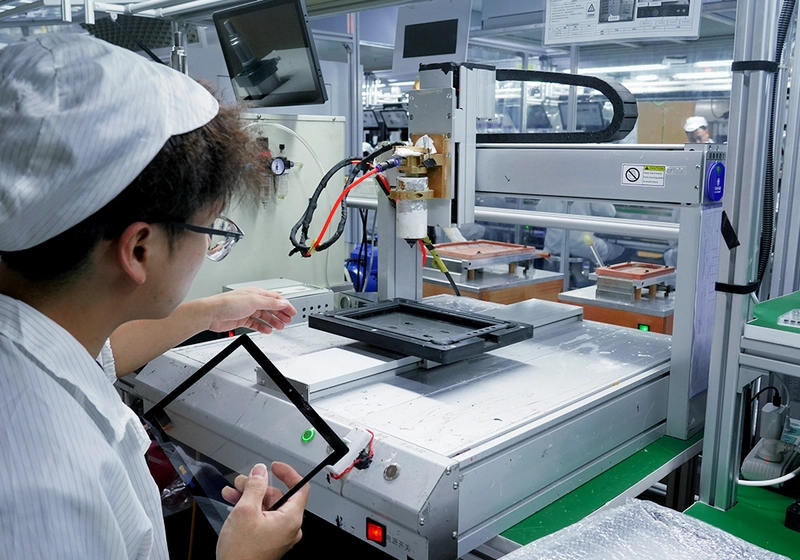
SWELL integrates product design, engineering validation, production management, and quality control into a coordinated process for both standard products and ODM customization projects. This approach helps maintain consistent product specifications and quality requirements throughout development and production.
Quality control begins with structural design and material selection, followed by functional verification, reliability testing, production inspections, and final outgoing inspection. Each stage helps identify potential issues, verify product performance, and assess whether the finished equipment meets the requirements of its intended industrial application.
By coordinating engineering and quality requirements throughout the production process, SWELL aims to deliver rugged devices that provide dependable performance in demanding working environments. Customers can discuss their application scenarios, technical specifications, and testing requirements with our team to determine the appropriate validation and quality assurance procedures for their projects.
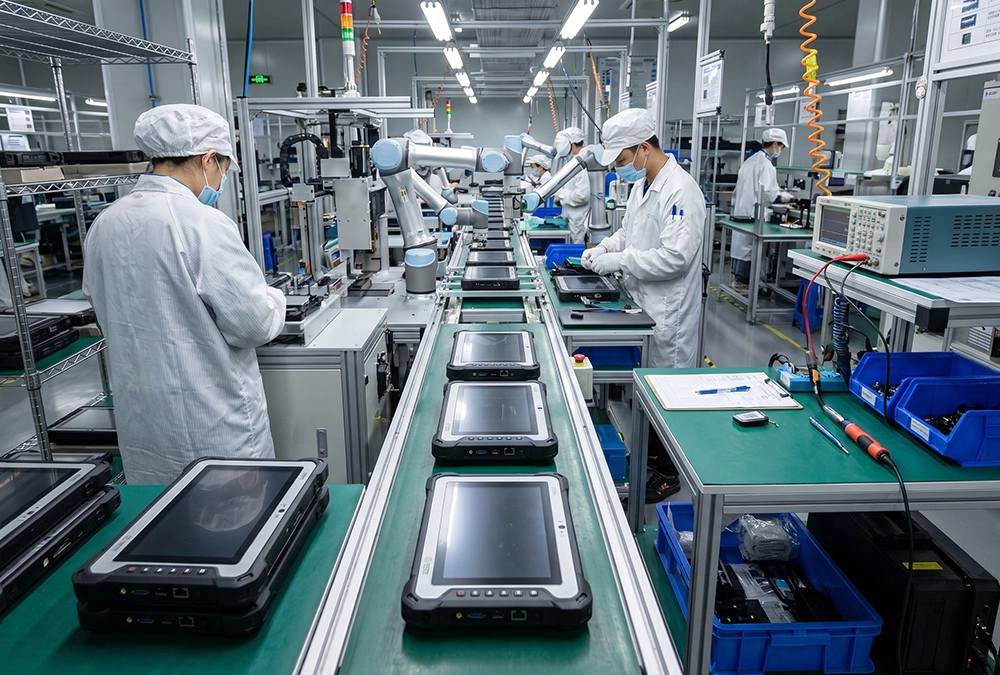
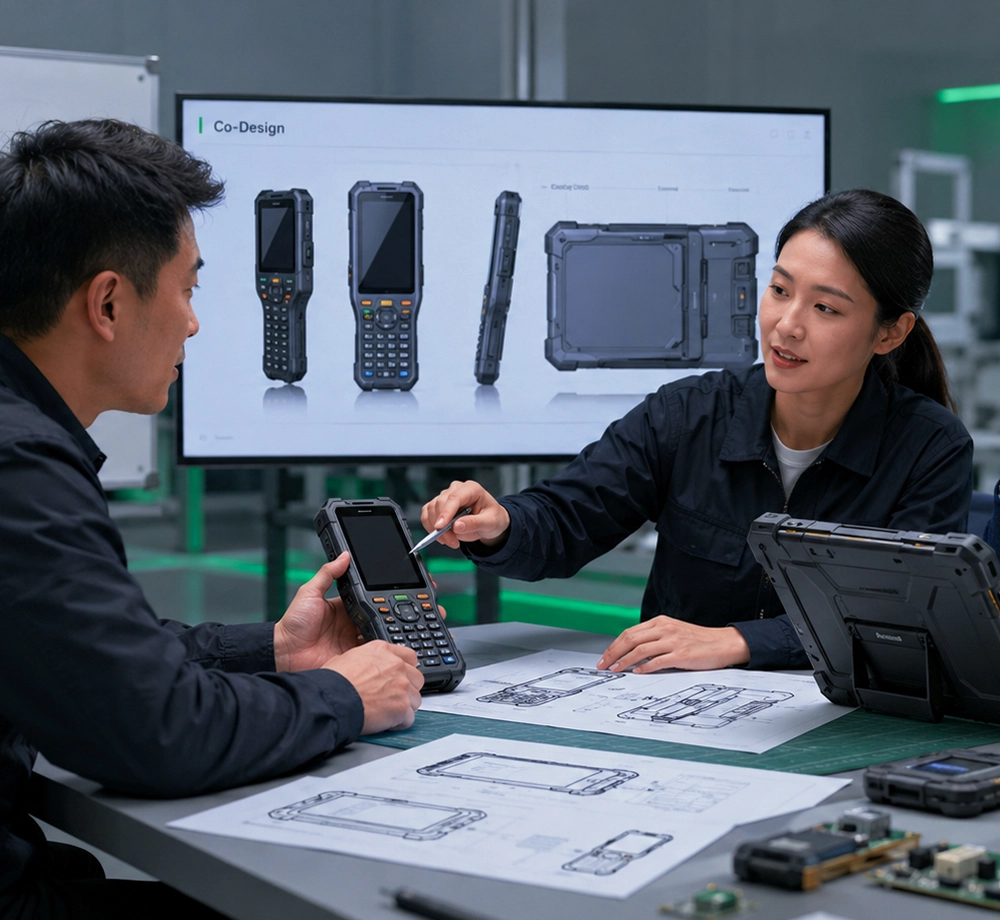
Yes. SWELL has an experienced engineering and technical team that can support structural design, hardware development, firmware adjustment, software adaptation, system integration, testing validation, and mass production introduction.The specific engineering scope depends on the selected platform and project requirements.
Our support can begin with reviewing your application scenario, functional requirements, interfaces, and operating environment. Based on this assessment, the team can evaluate technical feasibility, help select suitable hardware configurations, and support sample development and functional verification before pilot production.
For customers developing customized devices, this engineering involvement helps identify integration issues earlier and align the product with practical deployment requirements. SWELL's role extends beyond supplying hardware to supporting the technical work needed to move a project from initial requirements toward a production-ready solution.
Our value is not only in providing devices, but also in helping customers analyze issues, optimize solutions, and move projects forward during the development process.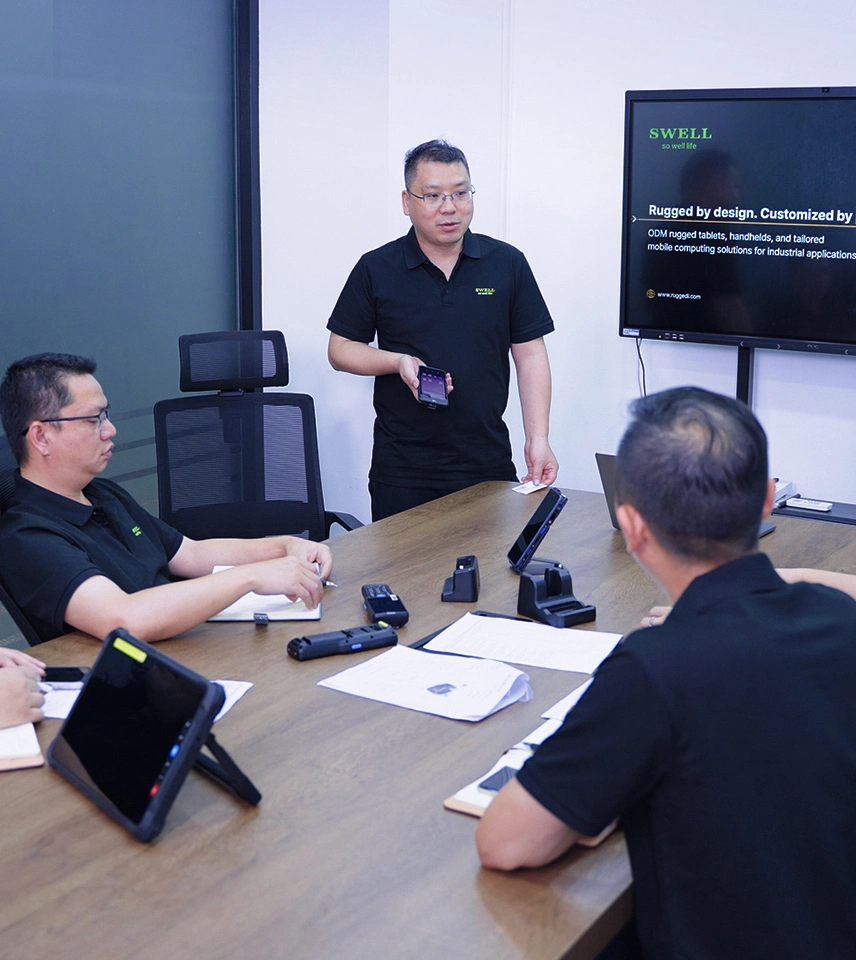
Product lifecycle planning is important for industrial projects that require long-term supply and consistent device configurations. SWELL's products typically cover a lifecycle of around 3–5 years.
For long-term projects, SWELL monitors key component availability and works to maintain supply continuity for core products and configurations. However, chipset upgrades, component obsolescence, or changes in the supply chain may require product or configuration adjustments.
If a product or key component needs to be discontinued or replaced, SWELL aims to notify affected customers as six month early as practicable and discuss suitable transition options. These may include alternative models, hardware upgrades, or advance purchasing plans, helping customers manage migration risks and maintain operational continuity.
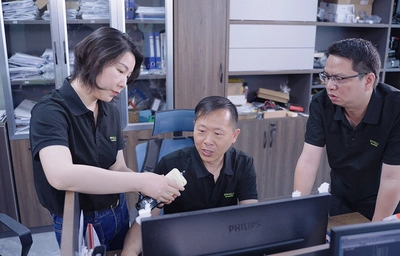
SWELL can provide software or firmware update support in accordance with project requirements. Update methods depend on the device platform, software architecture, and project configuration. Supported options may include local updates, installation-package deployment, OTA (over-the-air) updates, or updates managed through a compatible MDM platform.
For project-based deployments, SWELL can help assess the appropriate update approach based on fleet size, network availability, security requirements, and maintenance procedures. For example, a small deployment may use a local update process, while a larger fleet may benefit from a centralized deployment method where the device and management platform support it.
Before mass deployment, it is important to confirm the update mechanism, authorization requirements, compatibility with customized applications, and recovery procedures if an update fails. Establishing these details in advance can help customers maintain software consistency, simplify ongoing maintenance, and reduce operational disruption.
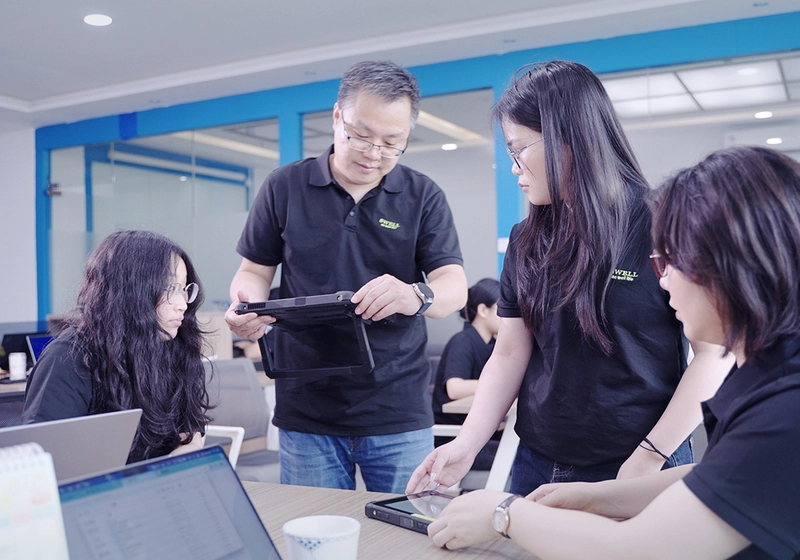
All SWELL devices can support Mobile Device Management (MDM). Where supported, MDM enables centralized tasks such as application deployment, device configuration, kiosk-mode management, remote updates, and device-status monitoring.
If your organization already uses a third-party MDM platform, SWELL can help assess and test compatibility based on your deployment requirements. Platforms such as SOTI MobiControl, AirDroid Business, and 42Gears may be considered for evaluation, but compatibility should be confirmed for the specific device and software environment rather than assumed across the entire product range.
Before deployment, we recommend verifying the required MDM functions, supported operating system version, enrollment method, security policies, and remote-management workflow. This helps ensure that the selected device can be managed effectively across your intended fleet.
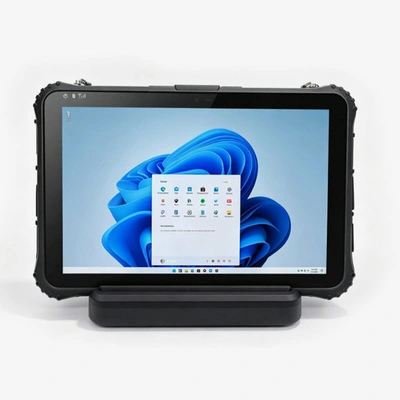
Yes. SWELL can provide relevant development resources and technical support for supported products, depending on the device model, operating system, functional modules, and project requirements. Available resources may include SDKs, APIs, interface documentation, and guidance for secondary development.
These resources can help your development team integrate supported functions—such as barcode scanning, NFC, RFID, and fingerprint recognition—into your own application. The exact integration method varies by module and platform, so it is important to confirm the required functions and development environment before selecting a device.
For projects with specific software requirements, SWELL can work with your team to clarify the available interfaces, evaluate technical compatibility, and identify the testing needed to verify the integration. This helps establish a clearer development scope and reduces uncertainty during implementation.

Yes. SWELL's rugged tablets, handheld terminals, and mobile computers can be evaluated for integration with existing business systems and industry applications, including WMS, ERP, logistics management, inspection, access control, asset management, and retail systems. Compatibility depends on the device platform, operating system, application requirements, and communication interfaces.
During project evaluation, we can help clarify your software environment, required data inputs and outputs, peripheral connections, and device functions. Depending on the application, integration may involve barcode scanning, RFID or NFC data collection, GPS, or communication through supported hardware interfaces.
By confirming these requirements before deployment, customers can reduce compatibility risks and select a device configuration that fits their established workflows. For projects involving proprietary software or specialized applications, the integration scope and validation requirements should be agreed upon before sample testing.
Shenzhen: 8F, Building A, Zhihui Innovation Center, Hang Cheng Industrial Zone, Bao 'an District, Shenzhen, China
Hong Kong: Room605, 6/F, FA Yuen Commercial Building, 75-77 FA Yuen Street, MongKok, Kowloon, Hong Kong.
SWELL is an ODM-focused rugged mobile device partner for industrial applications.